
Key Features
-
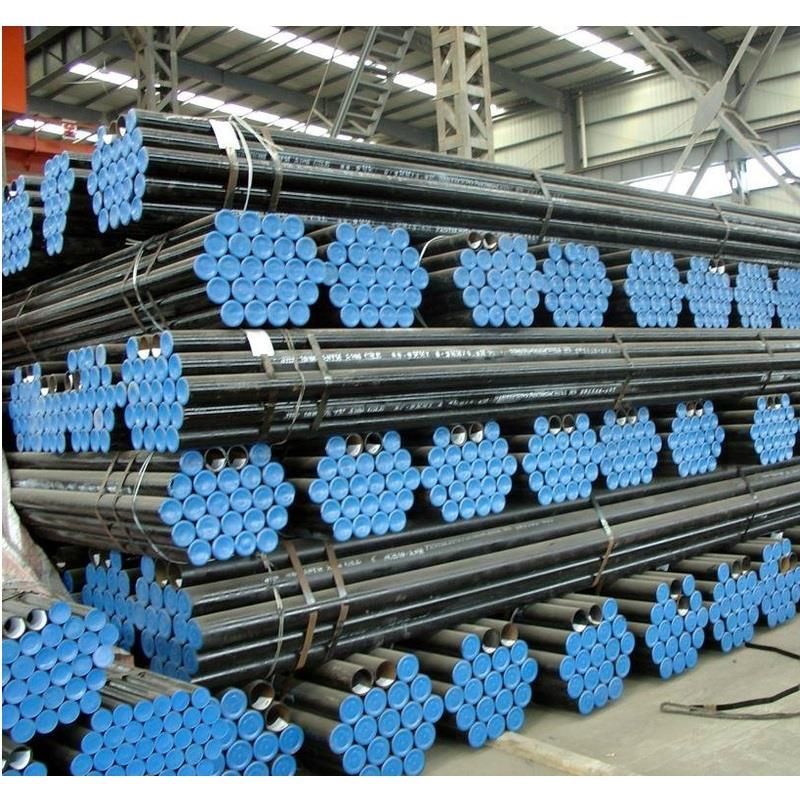
Material: Mild Steel (MS), which is low carbon steel (typically < 0.25% carbon) — results in good ductility, weldability, and ease of forming.
+2 -
Standards / Grades: Conform to various Indian and international standards. Some of the standards include:
-
IS: 1239 (for MS / ERW pipes)Vijay Sales Corporation+2
-
IS: 3589
-
IS: 2062 (used for certain MS pipes)
-
Also, BS, ASTM, API, DIN standards depending on customer requirement.
-
Product Range / Sizes
-
Diameter / NB (Nominal Bore): From as small as ½" (≈ 15 mm NB) up to ~24" (≈ 600 mm NB) for ERW / MS pipes under Jindal Star.
-
Wall thickness: Depends on class and standard. There are Light (A), Medium (B), Heavy (C) class in IS:1239; thickness increases with class.
-
Length: Usually 6 metres for MS / ERW pipes, unless otherwise specified.+2
Classes & Finish Classes: For IS:1239 pipes, they are classified as Light (Class A), Medium (Class B), Heavy (Class C). Heavier classes have thicker walls and more robust mechanical strength.
-
Finish / Surface Treatment:
-
Black / Plain MS finish
-
Galvanized (GI) — zinc coated for corrosion resistance.+2
-
Coating options like 3LPE, 3LPP, FBE etc for special corrosion protection (mainly for ERW pipes) under certain Jindal Star lines.
-
Mechanical Properties
-
Tensile Strength / Yield Strength: Varies with pipe size, class, and grade. Some sample values:
-
For example, a 300 mm MS pipe IS:1239 has tensile strength ~350 MPa, yield ~300 MPa.
-
For IS:2062 pipes, similar strength brackets are often used in structural applications.
-
-
Hardness: Varies with pipe grade; some listings quote ~45 HRC for certain sizes.
Applications
Jindal MS pipes are used in many areas including:
-
Plumbing, water supply, fire‐fighting systems.MEP / HVAC works.
-
Structural purposes (scaffolding, frameworks).+2
-
Industrial / Engineering pipelines for low‐pressure fluid / gas carriage.
