

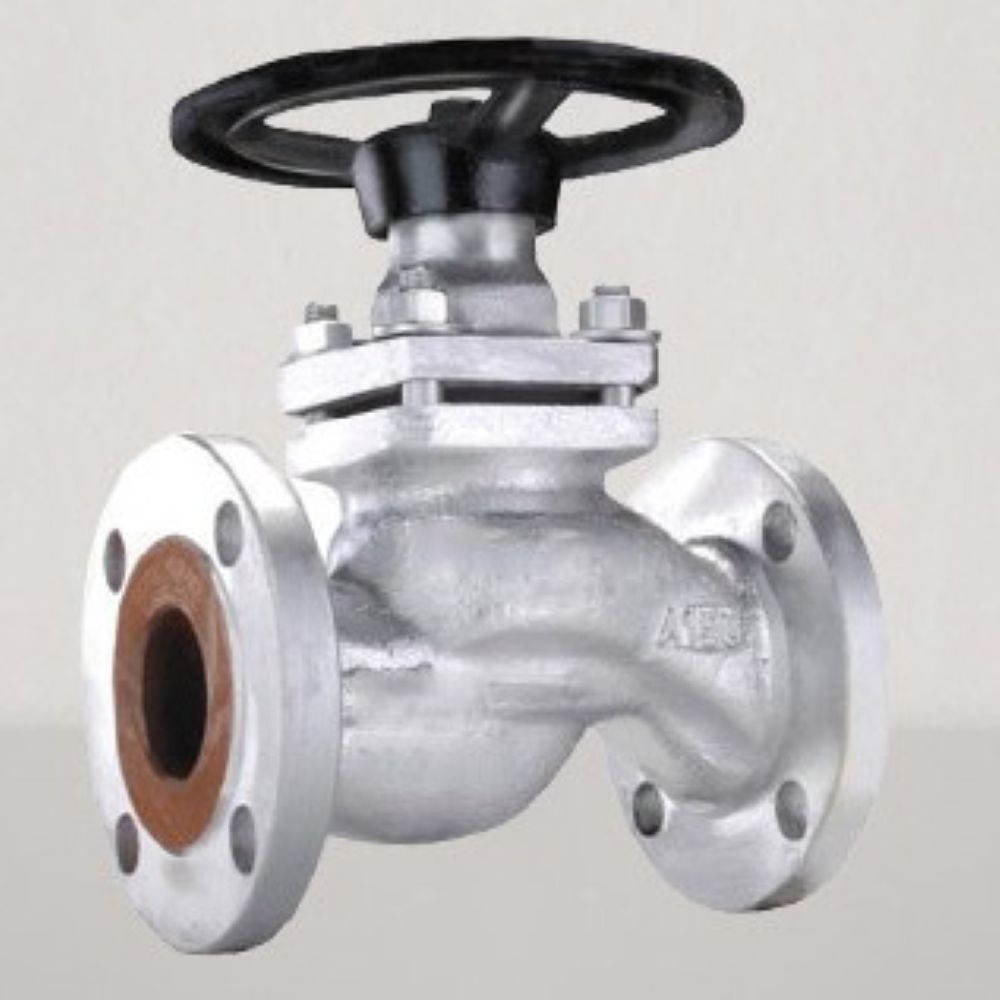
Description
A Piston Valve is a type of linear motion valve that uses a piston and sleeve (or cylinder) arrangement to control the flow of fluid. Unlike traditional gate or globe valves, a piston valve seals by the movement of a piston inside a tight-fitting body or cylinder, offering excellent leak-tight shutoff and minimal wear. These valves are widely used in steam lines, high-pressure services, and critical process control systems where reliable sealing and durability are essential.
Construction & Materials
Body Material: Carbon Steel (e.g., ASTM A216 WCB), Stainless Steel (SS304, SS316), Alloy Steel
Piston: Precision-machined steel or stainless steel
Seat / Seal:
Metal seated (hard metal to metal)
Soft seated (PTFE/RPTFE) for lower pressures and non-critical service
Bonnet: Bolted / Welded / Flanged
Stem: Stainless Steel or Alloy
Packing / Seals: PTFE, Graphite, or Elastomeric (service dependent)
Operation
Handwheel (Manual) – for manual open/close control
Gear Actuated – for larger valves requiring higher torque
Pneumatic / Electric Actuator – for automated control systems
Standards & Specifications
Design Standards: ASME B16.34 / API / BS standards
Pressure Rating: Class 150 / 300 / 600 (higher on request)
End Connections:
Flanged (ASME B16.5)
Butt Weld (ASME B16.25)
Screwed (for smaller sizes)
Key Features
Leak-proof sealing even under high pressure
Minimal maintenance due to simple piston design
Durable and rugged for steam, gas, and liquid services
High performance in frequent operation cycles
Can be automated with actuators
Good resistance to vibration and thermal cycling
Typical Applications
Steam & Condensate Systems
Power Generation Plants
Oil & Gas Processing
Refineries & Petrochemical Industries
Process & Utility Lines
Chemical and Pharmaceutical Plants
Benefits
Tight shutoff with reduced leakage risk
Reliable across a wide range of temperatures
Suitable for high-pressure and high-temperature environments
Better performance compared to conventional gate or globe valves in some services
