
🛠️ Product Description
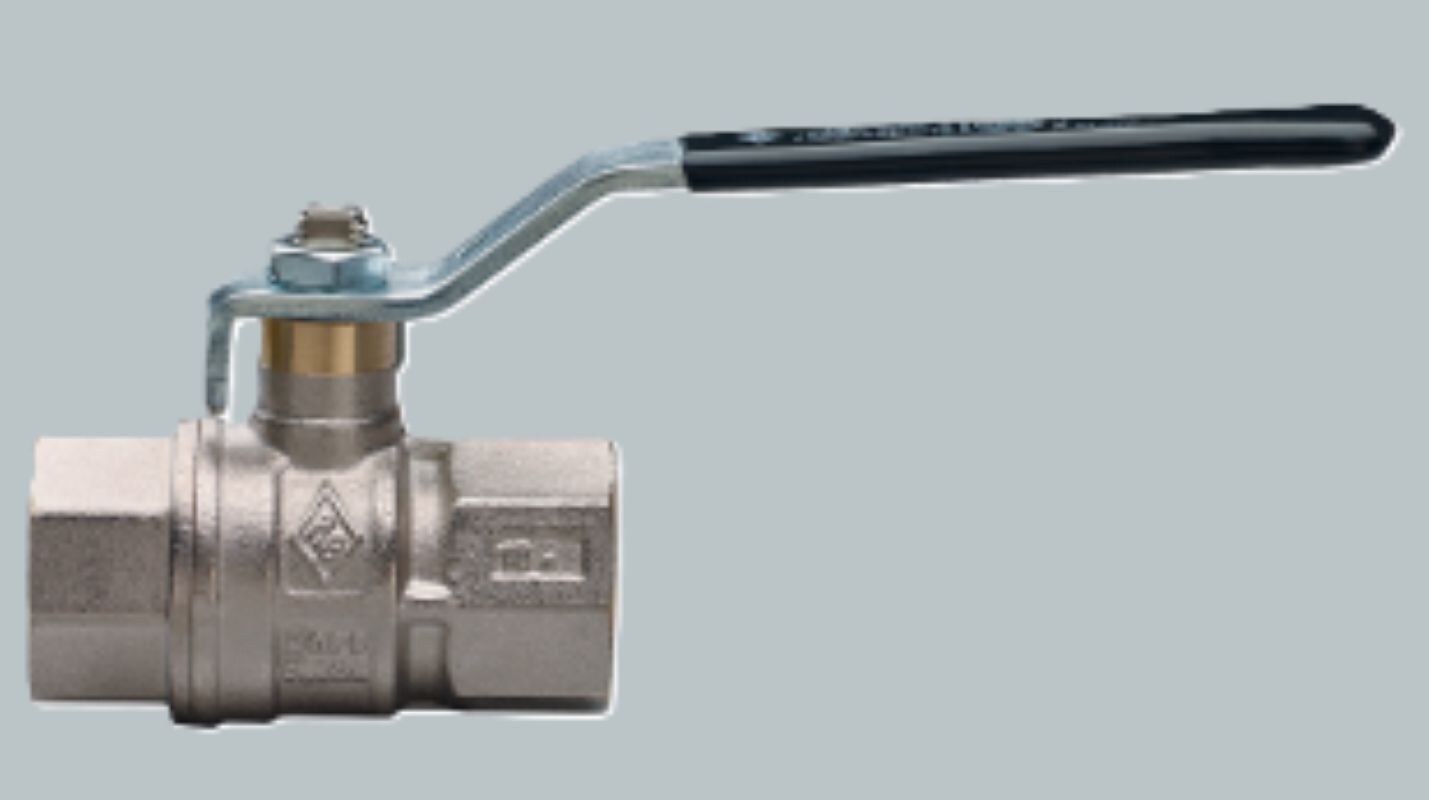
RB Italy ball valves are manufactured in Italy (often under the brand “RB” / “R B Italy”) and are designed for reliable on/off service with quarter-turn operation. They are used for water, air, gas and some industrial fluids. For example, one product listing states: “Full bore ball valve, F/F threaded, with steel handle” from RB Italy.+3
🔍 Key Specifications
-
Body Material: Often forged brass for the smaller-size versions (e.g., “Forged Brass Ball Valve RB Italy Make” in one listing).
-
Sizes: Market listings show e.g. ½″ to 4″ for some RB Italy models.
End Connections: Threaded full-female (F/F) or male/female (M/F) threaded ends for smaller sizes. One example: “Full bore ball valve, F/F threaded, with steel handle.”
-
Operation: Lever handle (steel handle or long handle) for quarter-turn operation.
-
Pressure Rating & Media: For water service, but in general these valves are used in plumbing/home-industrial water/gas services. One specification: “Working pressure till 50 bar” for a model (UNI-SFER series).
-
Seals & Features: From the UNI-SFER series of RB:
-
Anti-ejection stem system (“Anti Blow Out System”).
-
Stem mounted inside body (improved safety).
-
O-ring seal sets: PTFE, FKM, NBR options depending on service (PTFE up to ~200 °C, FKM up to ~280 °C, NBR up to ~130 °C).
-
✅ Features & Advantages
-
This valve gives full bore flow path (at least for certain versions) which minimizes pressure drop.
-
Robust stem and safety features such as anti-blow out design add operational safety.
-
Suitable for potable water (in some versions: “absence of nickel-plating for surfaces in contact with water” according to one spec) making it suitable for drinking water applications.
-
Versatility in seal options, suitable for various temperature ranges and fluid media.
⚠️ Considerations / Application Notes
-
If the service involves high pressure, high temperature, or highly corrosive media, check that the material (body, ball, seals) is appropriate — the basic listings appear for “water/water + glycol” service.
-
Ensure size, pressure class, end connection type match your system. For example threaded vs flanged; for large industrial systems, many small-size models with threaded ends may not be suitable.
-
Verify whether the valve is full bore (for minimal pressure drop) or reduced bore, depending on your pipeline requirements.
-
For special media (chemical, steam, gas) require specific materials and certifications. Basic listings show service for water/water + glycol.
