

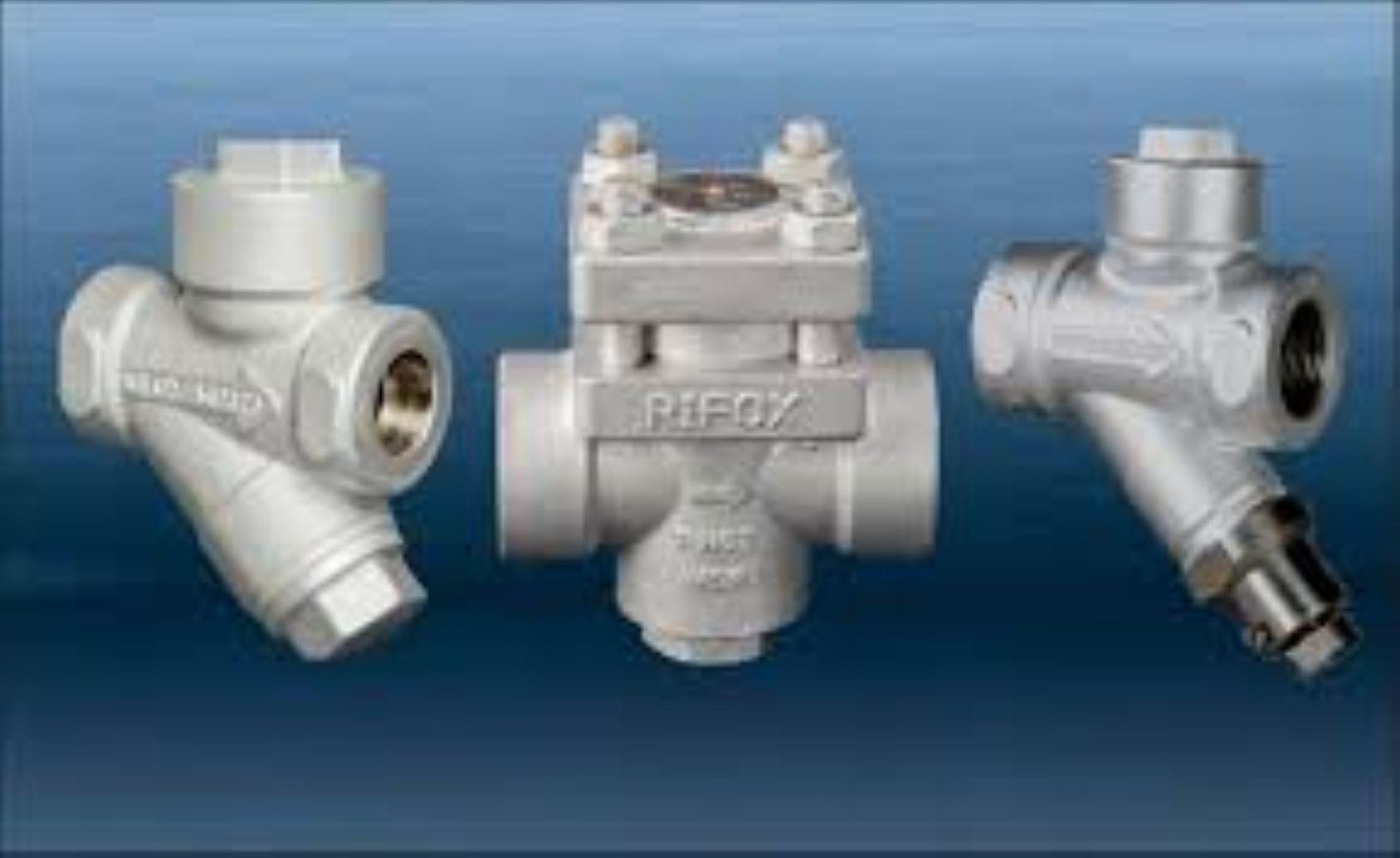
Description
A Thermodynamic Steam Trap works on the principle of flash steam and pressure/velocity differences to discharge condensate without allowing live steam to escape. These traps are robust, compact, and ideal for high-pressure steam lines, steam headers, and be used where steam quality and reliability are critical. They are well-suited for varied loads and can operate under fluctuating pressures.
Design & Construction
Body Material: Forged Steel or Stainless Steel
Disc & Seat: Hardened Stainless Steel
Internal Mechanism: Single disc that opens/closes based on steam/condensate behavior
Strainer: Built-in Y-type strainer for debris protection
Blow-down Valve: Optional for maintenance ease
One Moving Part: Simple and rugged design with minimal wear
Operating Range & Sizes
Sizes: Typically 15 mm, 20 mm, 25 mm NB (½″, ¾″, 1″)
Maximum Operating Pressure: Up to 250 bar
Maximum Temperature: Up to 550 °C
Key Features
✔ Automatic condensate discharge with low steam loss
✔ Compact, lightweight design suitable for inline installation
✔ Stainless steel hardened disc and seat for long life
✔ Built-in strainer for debris protection
✔ Optional blow-down valve for cleaning without removal
✔ Reliable over a wide pressure/temperature range
✔ Suitable for both saturated and superheated steam
Applications
Steam mains and header drains
Steam tracing lines
Heat exchangers and drying cylinders
Refineries, power plants, and petrochemical units
Process heating systems requiring efficient condensate removal
How It Works (Principle)
When condensate enters, the trap disc lifts allowing discharge. As hot flash steam reaches the trap, increased velocity forces the disc shut against the seat, trapping steam. When flash steam cools and condenses, the cycle repeats — efficiently removing condensate and minimizing steam loss.
